
Hydroponic Tower Growing Timeline: Plant Growth Stages and Daily Maintenance Guide
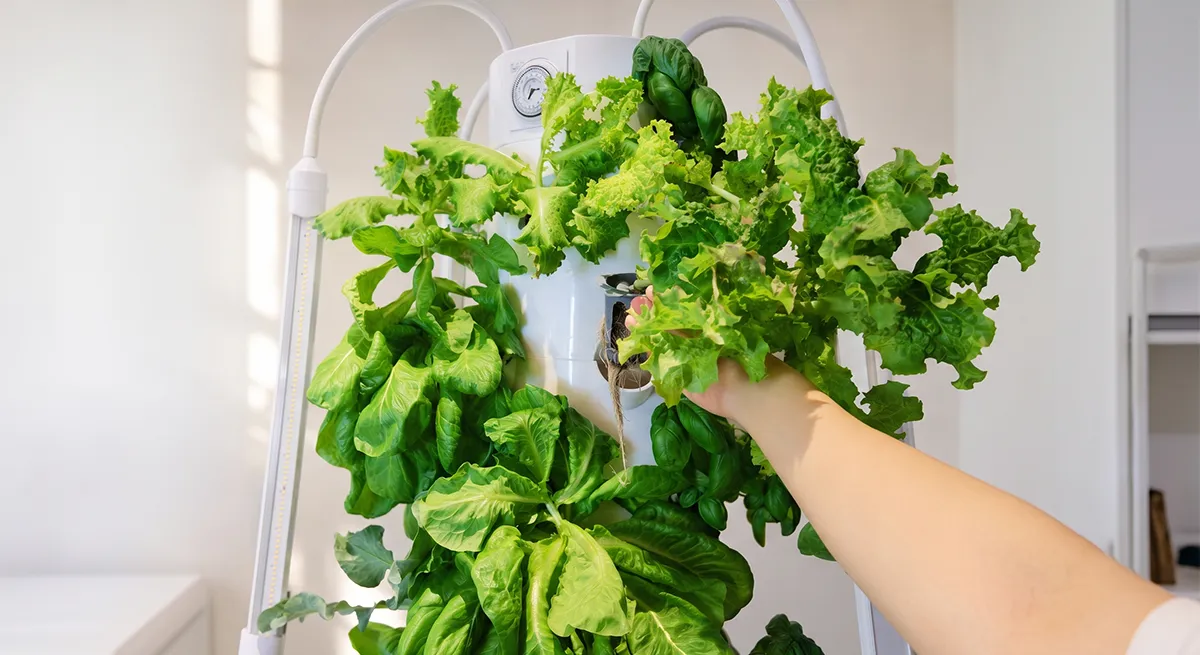
Growing fresh greens, herbs, and vegetables in a hydroponic tower is an exciting and rewarding journey, especially when you witness small seedlings transform into vibrant, harvest-ready plants. But for many beginners stepping into vertical farming, two fundamental questions usually arise first:
- How long does it take to grow plants in a hydroponic tower?
- How much daily maintenance does a hydroponic tower system actually require?
The good news is that most leafy greens and herbs thrive in a hydroponic tower when provided with stable water circulation, optimal nutrients, adequate light, and basic care. Whether you are utilizing a standard hydroponic tower, an indoor growing tower, or an advanced aeroponic tower system, understanding the plant growth cycle is the key to cultivating healthier plants with fewer complications.
How Long Does It Take to Grow Plants in a Hydroponic Tower?
The overall growing timeline heavily depends on the crop type, seed quality, ambient temperature, light intensity, nutrient balance, and your specific growing environment. As a general rule, leafy greens grow significantly faster than fruit-bearing plants.
| Crop Type | Estimated Growing Time | Difficulty Level |
| Lettuce | 25–40 days | Beginner Friendly |
| Bok Choy | 30–45 days | Beginner Friendly |
| Kale | 35–50 days | Beginner Friendly |
| Basil | 30–60 days | Beginner Friendly |
| Mint | 30–60 days | Beginner Friendly |
| Parsley | 50–70 days | Intermediate |
| Strawberries | 60–90+ days | Advanced |
| Cherry Tomatoes | 60–90+ days | Advanced |
For beginners, lettuce, basil, bok choy, kale, and mint are exceptional starter choices. They grow vigorously, adapt seamlessly to vertical hydroponic systems, and do not demand complicated care routines. Conversely, fruit-bearing plants such as strawberries and tomatoes require a longer commitment, more intense lighting, and meticulous nutrient management.
The 5 Stages of the Hydroponic Plant Growth Cycle
Stage 1: Seed Germination (3–10 Days)
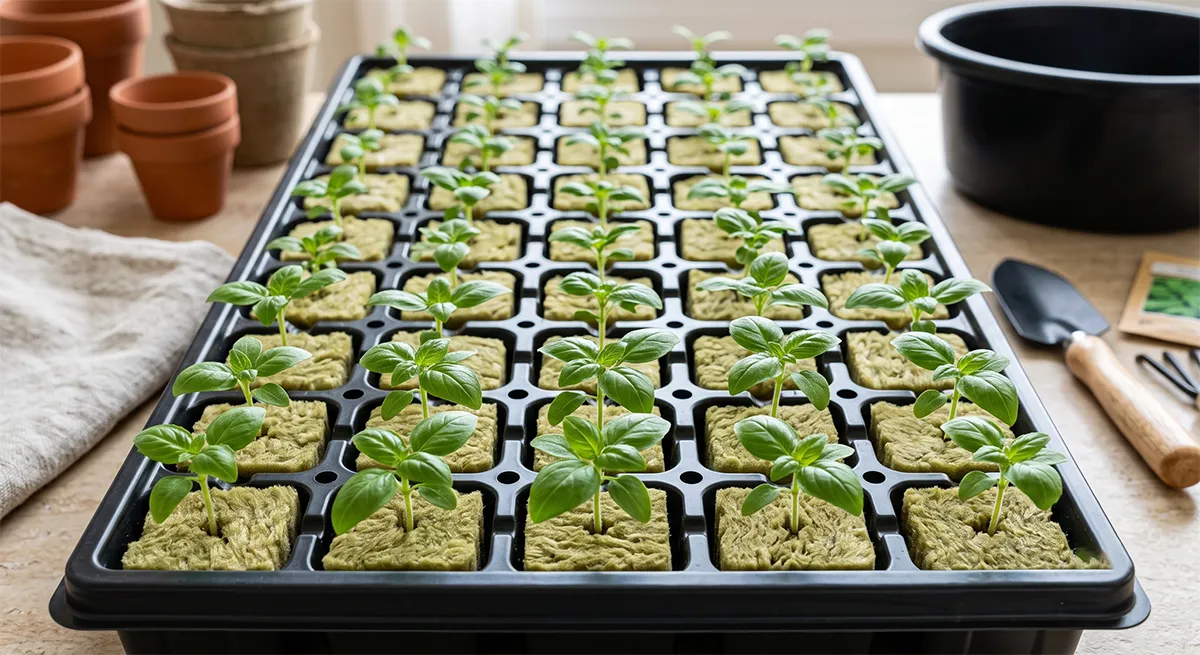
Most hydroponic journeys begin with seeds. The germination stage typically takes 3 to 10 days, depending on the specific plant variety. Seeds are typically sown in rockwool cubes, seedling sponges, or alternative hydroponic growing media.
During this critical phase, the growing medium must remain moist but not oversaturated. Successful seed germination relies on four primary factors:
- Consistent moisture
- Warm ambient temperatures
- Gentle light exposure (immediately after sprouting)
- Proper air circulation
Expert Tip: A common beginner mistake is allowing the growing medium to dry out. If seeds dehydrate during the germination process, their development will permanently halt.
Stage 2: Seedling Growth
Following germination, the plant transitions into the seedling stage. This is the period where the sprout develops its first set of “true leaves” and establishes a stronger root system. Seedlings are generally ready for transplanting when they exhibit:
- 2 to 4 distinct true leaves
- Visible, white, healthy roots protruding from the medium
- A stable, sturdy stem
- No signs of severe yellowing or “leggy” stretching
This stage dictates future success; weak seedlings will inevitably struggle once moved into the main hydroponic tower. If seedlings appear tall, thin, or fragile, they are likely suffering from insufficient light. Utilizing proper indoor grow lights can significantly fortify seedlings before the transplanting phase.
Stage 3: Transplanting into the Hydroponic Tower
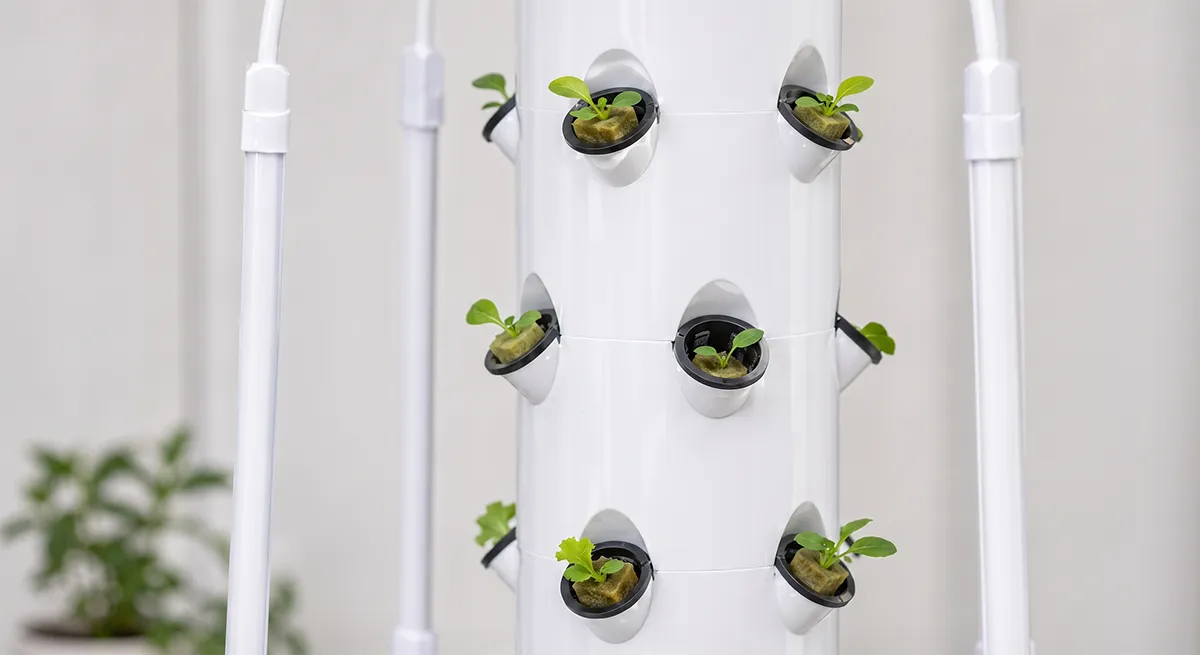
Once seedlings are robust, they are ready to be integrated into the hydroponic tower. Post-transplant, plants require a brief acclimation period of a few days to adjust to the new water flow, lighting, and nutrient environment.
During this transitional window, meticulously inspect the tower to ensure:
- The water pump is functioning flawlessly.
- Water is adequately reaching every single planting level.
- Plant roots have direct access to moisture.
- The nutrient concentration (EC/PPM) is not excessively strong for young roots.
- Plants are not showing signs of heavy wilting.
A premium, well-engineered system makes this seamless. For instance, the Yunzy V8 Hydroponic Grow Tower is optimally designed for vertical growing, offering multiple efficient planting sites with excellent water distribution, making it an ideal choice for leafy greens, herbs, and maximizing small-space growing.
Stage 4: Fast Plant Growth
Once the plants acclimate to the tower’s ecosystem, they trigger the vegetative or “fast growth” stage. For most growers, this is the most visually rewarding phase of the hydroponic cycle. You will observe the rapid expansion of leaves, elongating root systems, and accelerated overall development.
To sustain this explosive growth, ensure the plants consistently receive:
- Uninterrupted, stable water circulation
- Properly balanced hydroponic nutrients
- Ample lighting (12–16 hours per day for indoor towers using grow lights)
- Adequate physical spacing to prevent overcrowding
- Routine visual observation for early pest or disease detection
Note that outdoor hydroponic towers rely heavily on natural sunlight. During periods of intense heat, the reservoir’s water levels will deplete rapidly due to increased plant transpiration and evaporation, necessitating more frequent tank checks.
Stage 5: Harvest Time
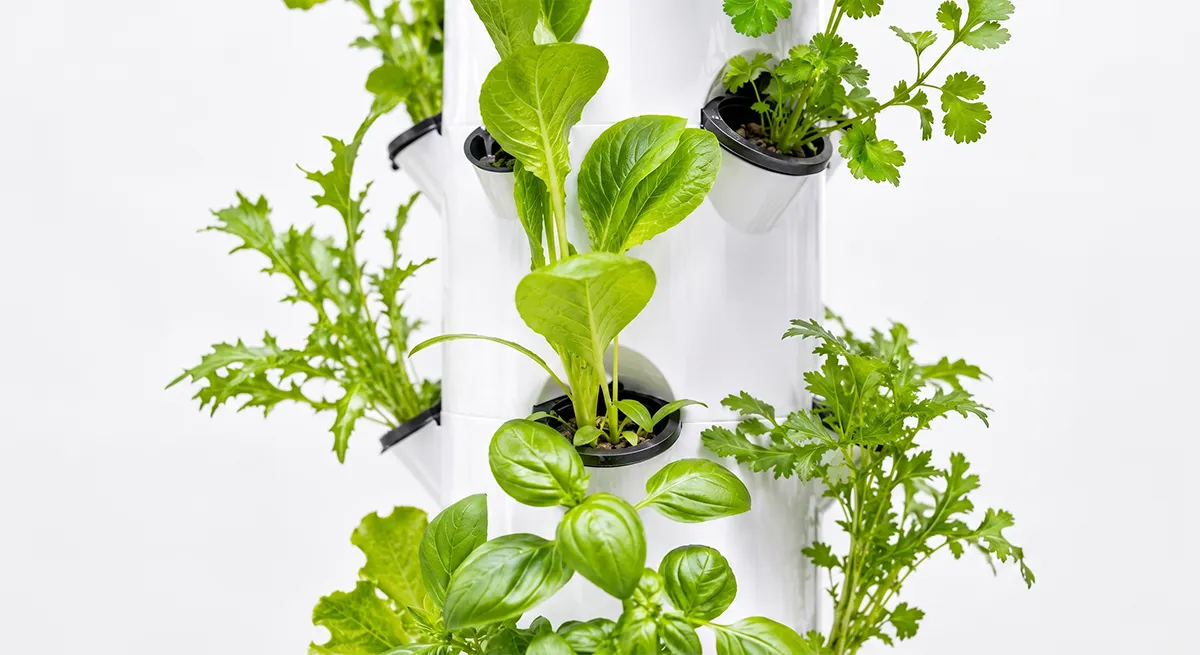
The harvesting timeline and technique vary by crop type. For lettuce and other broad leafy greens, you generally have two harvesting options:
- Full Harvest: Removing the entire plant from the pod once it reaches full maturity.
- Cut-and-Come-Again: Harvesting only the older, outer leaves while allowing the center foliage to continue growing for subsequent yields.
Herbs like basil, mint, and parsley thrive on regular pruning; harvesting them frequently actually encourages denser, bushier growth. Conversely, fruiting crops (strawberries, tomatoes) operate on a longer timeline, demanding robust lighting, finely-tuned nutrient ratios (especially phosphorus and potassium during blooming), and grower patience.
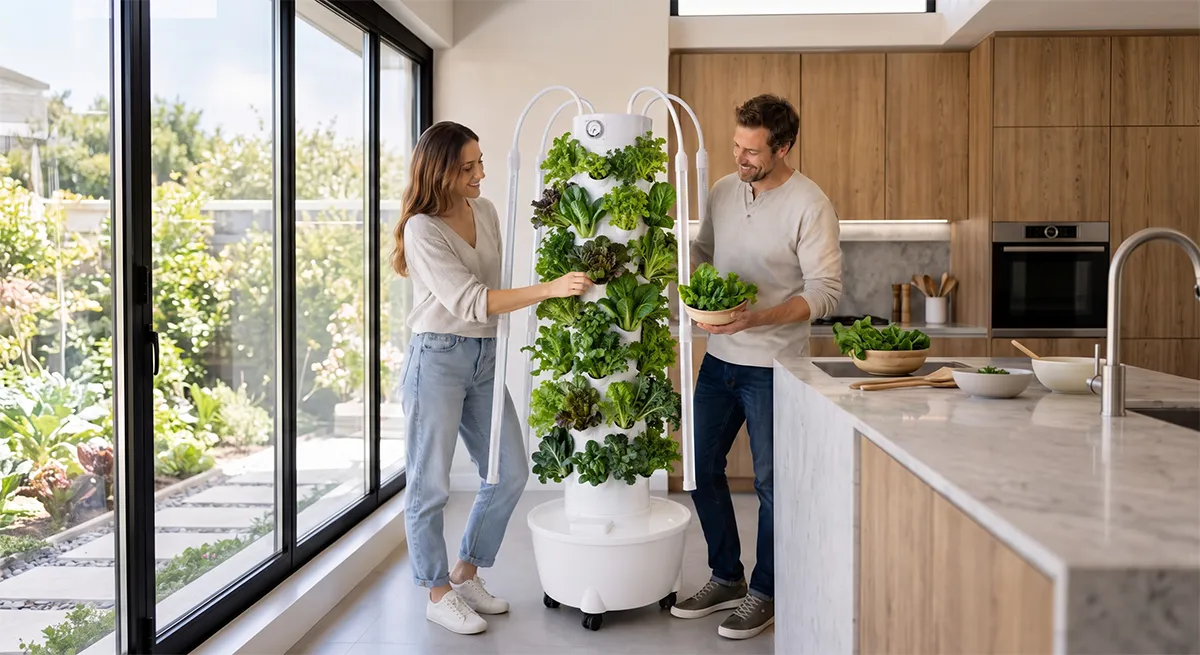
Daily, Weekly, and Monthly Maintenance Checklist
A common misconception among beginners is that hydroponic towers are labor-intensive. In reality, modern vertical farming systems are highly automated. Daily care typically takes just a few minutes of your time.
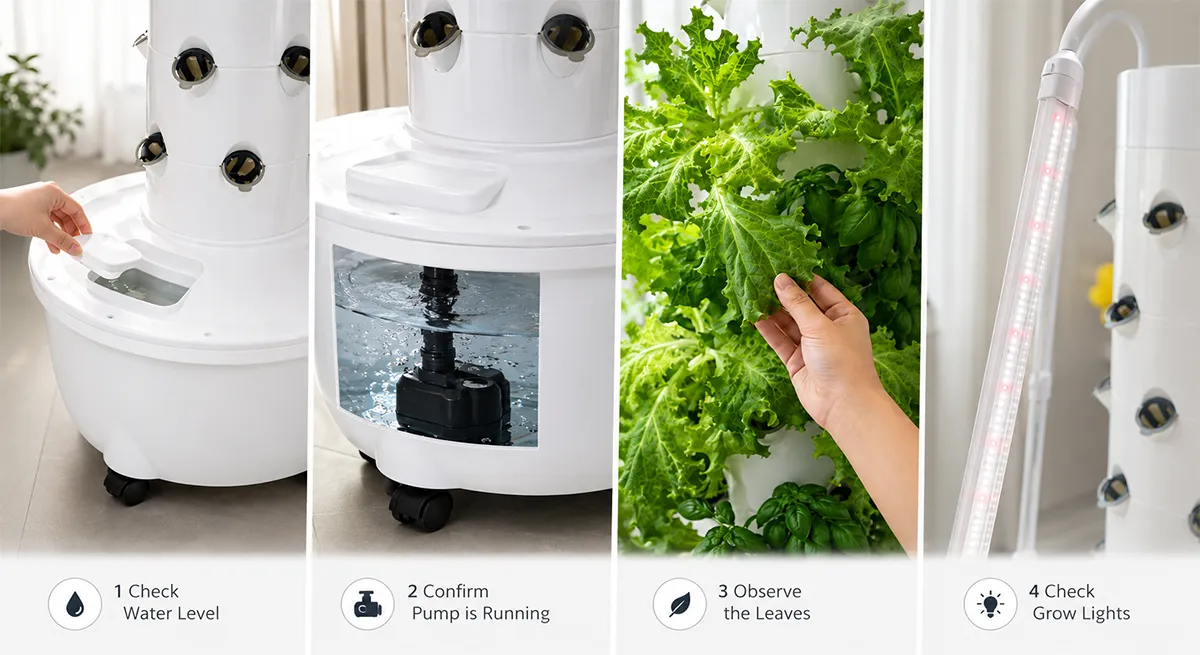
Daily Maintenance (The 5-Minute Check)
1. Check the Water Level: As plants mature, their water consumption skyrockets. Warm environments and powerful grow lights further accelerate this. Ensure the reservoir has sufficient water to keep the pump fully submerged and circulating properly.
2. Verify Pump Operation: The water pump is the beating heart of your hydroponic tower. If it fails or clogs, roots will rapidly dry out, leading to wilting, yellowing foliage, and stunted growth. Listen for its familiar hum or check the water flow at the top tier.
3. Observe Plant Foliage: Leaves are excellent indicators of system health. Scan quickly for yellowing, wilting, brown edges, pale discoloration, or mysterious spots. Catching a nutrient deficiency or pest issue early makes it drastically easier to remedy.
4. Inspect Grow Lights (Indoor Systems): Confirm that timers are functioning and lights are illuminating as scheduled. Weak or inconsistent lighting will cause plants to become weak and “leggy.”
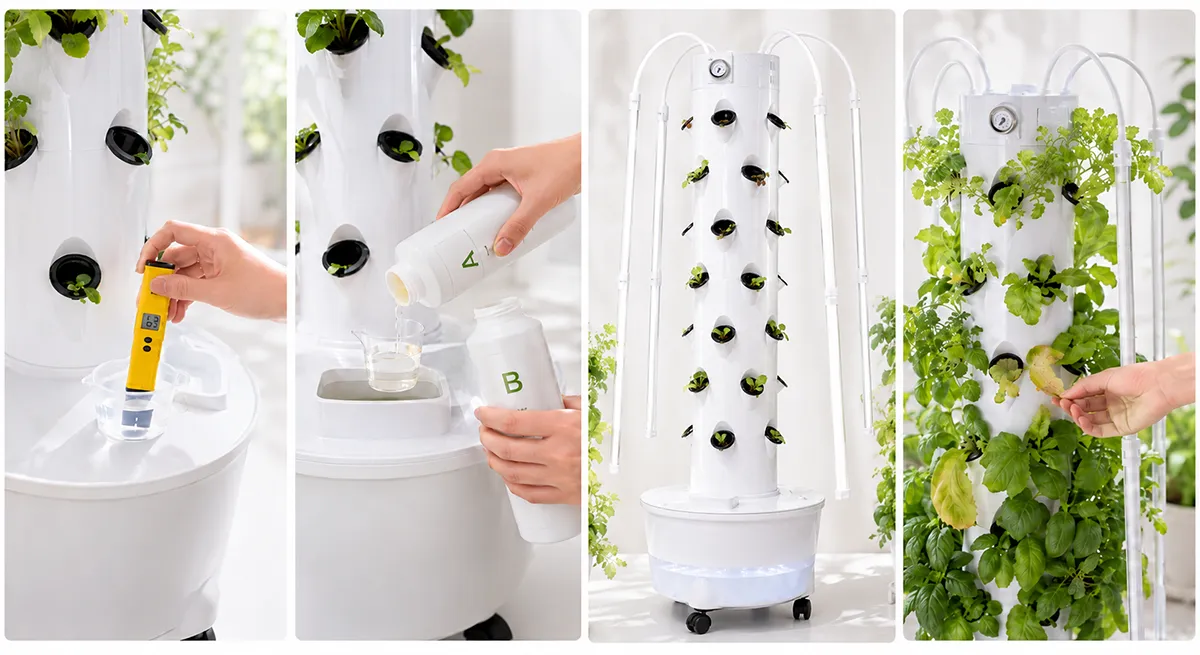
Weekly Maintenance Routine
- Test and Adjust pH Levels: The pH dictates nutrient bioavailability. For the vast majority of hydroponic greens and herbs, the “sweet spot” is a pH between 5.5 and 6.5. If the pH drifts too high or low, plants will exhibit nutrient lockout (deficiency symptoms despite nutrients being present in the water).
- Dose Nutrients: Top up the reservoir with properly mixed nutrient solutions according to the manufacturer’s feeding schedule. Be cautious: excessive nutrients can cause fertilizer burn, while too little stalls growth.
- Monitor Water Distribution: Ensure water is cascading evenly across all plant sites. Clear away any aggressive root growth or debris that might be restricting flow to specific sections of the tower.
- Prune Dead Material: Remove any dead, decaying, or severely damaged leaves. This practice enhances airflow through the canopy and eliminates potential breeding grounds for pests and fungal pathogens.
Monthly Deep Cleaning and System Check
To ensure long-term system stability and optimal hygiene, dedicate time once a month to perform a deeper review:
- Thoroughly clean and sanitize the main water tank.
- Remove and rinse the water pump filter to prevent clogging.
- Verify timer settings and inspect grow light arrays for burnt-out diodes.
- Scrub away any visible algae growth on the tower’s surface or within the pods.
- Check for crusty, white nutrient salt buildup and wipe it down.
- Perform a full reservoir flush (replace the old water and nutrient mix completely). Some growers opt for full water changes every 2–4 weeks depending on water quality and plant load. If the water ever emits a foul odor or looks cloudy, immediately clean the tank and replace the solution.
Indoor vs Outdoor Hydroponic Tower Maintenance
The maintenance profile shifts slightly depending on where you locate your system. Indoor hydroponic towers grant you absolute environmental control over temperature, light cycles, and weather events. However, the onus is on the grower to manage artificial lighting, ensure adequate room airflow, and monitor spacing.
Conversely, an outdoor hydroponic tower harnesses the immense power of natural, free sunlight, leading to explosive growth. The trade-off requires you to be vigilant against environmental stressors: extreme heat spikes, heavy rain diluting the nutrient reservoir, high winds, pest infestations, and dramatically faster water evaporation rates. Both setups yield phenomenal results when monitored consistently.
Common Beginner Mistakes to Avoid
- Starting with Weak Seedlings: Patience is vital. Rushing to transplant frail, underdeveloped seedlings will severely stunt their progress in the tower. Wait for strong root networks.
- Neglecting the Water Level: Allowing the reservoir to run dry is the fastest way to burn out your water pump and kill your crop. Make checking the tank a daily habit.
- Over-Fertilizing: More nutrients do not equal faster growth. A high concentration of nutrient salts will scorch the root zone, causing irreversible leaf damage (nutrient burn). Always follow dosing guidelines.
- Inadequate Lighting: Indoor setups cannot rely on standard ambient room lighting. Dedicated, full-spectrum LED grow lights are non-negotiable for healthy, compact vegetative growth.
- Ignoring Early Warning Signs: Never ignore yellowing leaves or sudden wilting. These are early SOS signals from the plant; diagnosing them promptly prevents systemic failure.
Conclusion: Is a Hydroponic Tower Easy for Beginners?
Absolutely. A hydroponic tower is remarkably beginner-friendly provided you select a stable, well-designed system and adhere to a simple maintenance routine. For the quickest wins and lowest friction, new growers should start with resilient, fast-growing crops like lettuce, basil, mint, bok choy, kale, and arugula.
Hydroponics does not have to be an intimidating science experiment. Once you grasp the fundamental plant growth cycle (Germination → Seedling Growth → Transplanting → Fast Growth → Harvest) and establish your daily 5-minute checks (water, pump, leaves, light), growing your own food becomes an effortless and joyful part of your daily routine.
Whether you are dealing with a compact apartment or a spacious patio, systems like the Yunzy V8 Hydroponic Grow Tower offer an elegant, practical, and highly efficient solution for cultivating farm-fresh greens and vegetables vertically, anywhere you choose.

0 Comments