Hydroponics vs Soil Gardening: Which Growing Method Is Right for You?
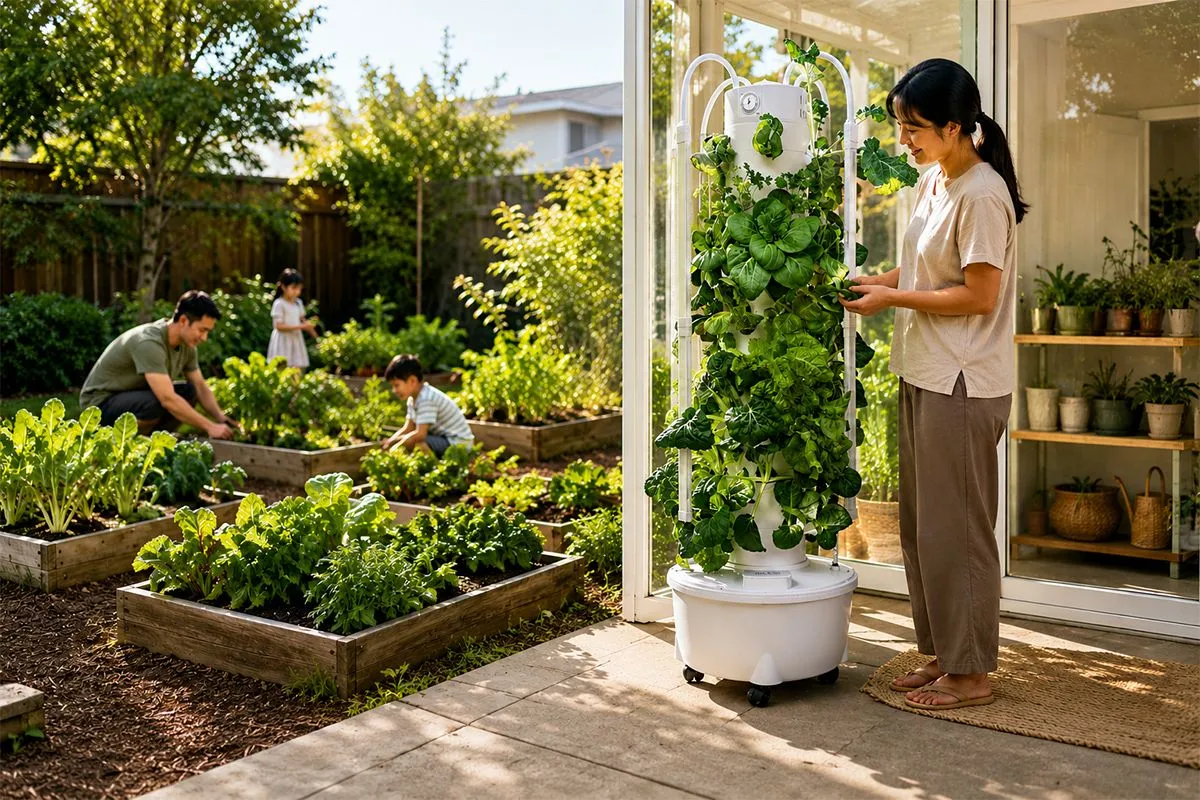
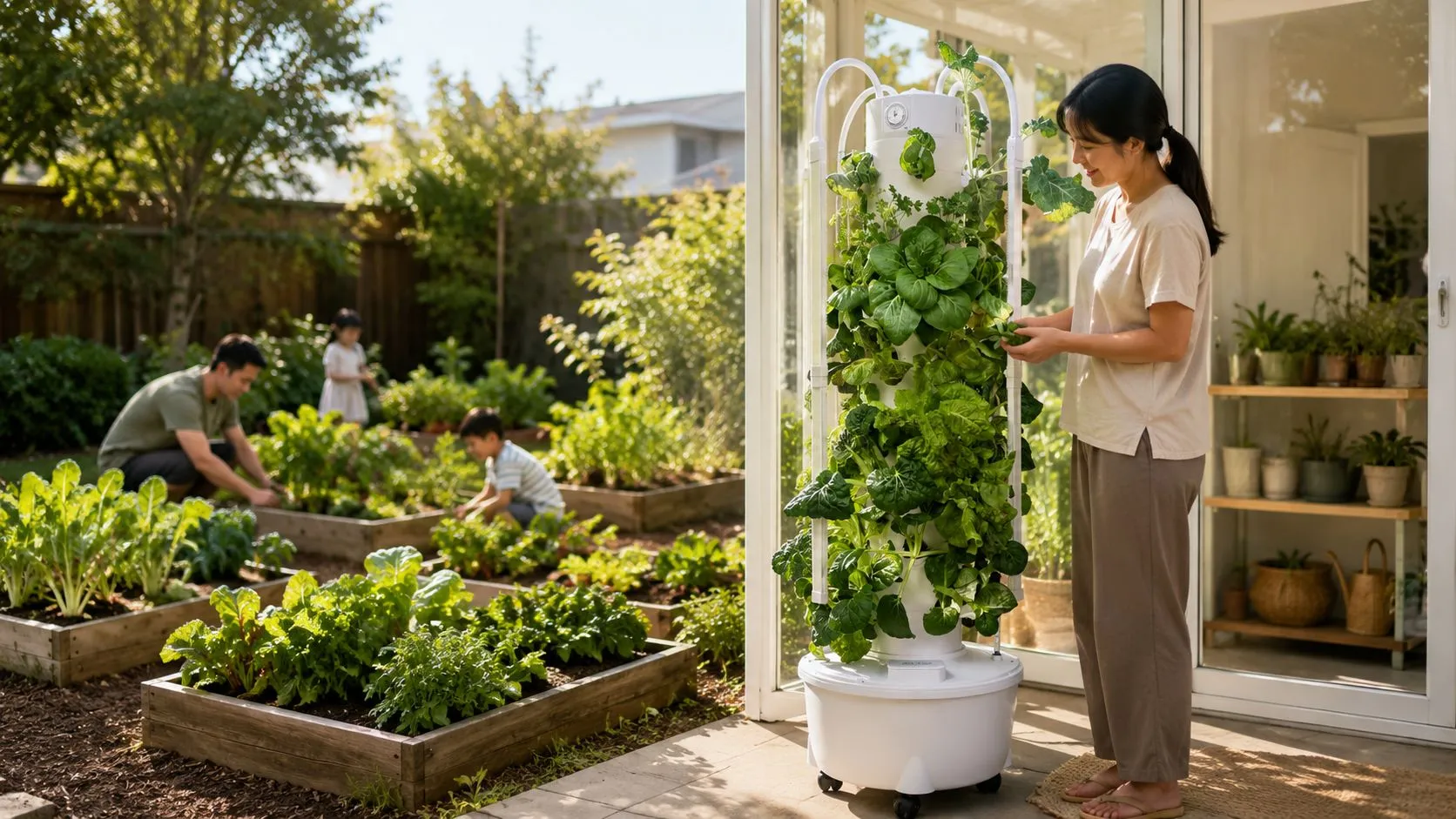
Growing your own vegetables can be as simple as planting lettuce in a traditional backyard garden—or as modern and efficient as harvesting fresh greens from a vertical hydroponic tower in your kitchen, patio, or greenhouse.
Both approaches can produce exceptionally healthy plants and fresh food, but they create completely different growing experiences. Traditional soil gardening is familiar, relatively inexpensive to start, and works naturally with outdoor environments. Hydroponic gardening entirely removes soil from the equation and instead supplies water and balanced nutrients directly to the plant roots, giving growers unprecedented control over the growing environment.
So which one is actually better? The definitive answer depends entirely on your available space, budget, lifestyle, climate, crop choices, and how much precise control you want over your home garden.
Hydroponics vs Soil Gardening at a Glance
Hydroponic systems are not automatically “better” than soil gardens. They simply solve a very different set of agricultural problems. Here is a rapid comparison of the core differences:
Table 1: Core Differences Comparison
| Factor | Traditional Soil Gardening | Hydroponic Growing |
| Growing Medium | Natural Soil | Water + Liquid Nutrient Solution |
| Space Efficiency | Usually requires large horizontal garden space | Can use vertical space extremely efficiently |
| Watering Method | Absorbed by soil; high loss through drainage/evaporation | Recirculating systems actively reuse water |
| Weeding | Regular manual weeding required | Absolutely no soil weeds |
| Growing Season | Heavily affected by outdoor seasons and climate | Can grow year-round under controlled conditions |
| Initial Cost | Usually lower starting cost | Higher initial investment due to hardware equipment |
| Pest Risk | Prone to soil-borne pests and widespread diseases | Fewer soil-related problems (though airborne pests can still occur) |
1. Space: Where Hydroponics Has a Clear Advantage
Space efficiency is one of the biggest reasons people begin exploring hydroponics. A conventional vegetable garden grows primarily across the ground. Each plant requires adequate horizontal spacing, so growing more vegetables usually means aggressively expanding the garden bed.
Hydroponic systems can take brilliant advantage of vertical space instead. This is particularly useful for people living in restricted environments such as:
- Apartments and condos
- Small patios and balconies
- Urban homes
- Compact Greenhouses
- Backyards where floor space is limited
A vertical hydroponic tower can instantly turn an area that would normally hold only a few pots into a massive, highly productive garden. For someone with plenty of backyard land, this may not matter much. For someone with only a patio or greenhouse corner, it can make a life-changing difference.
2. Water Use: Does Hydroponics Really Save Water?
Water use is one of the most common questions in any hydroponics vs soil comparison. Traditional soil gardening inevitably loses water through deep drainage, surface runoff, and rapid ground evaporation.
Closed recirculating hydroponic systems work entirely differently. The nutrient solution passes precisely through the root zone and seamlessly returns to a sealed base reservoir where it is endlessly reused. Because the water strictly remains inside the growing system, recirculating hydroponics can use substantially less water than conventional soil gardening when managed correctly.
3. Which One Grows Plants Faster?
Hydroponics can routinely support incredibly fast plant growth because perfectly balanced water and nutrients are continuously available directly to the root zone. Furthermore, growers can control nutrient concentration, pH, light, and temperature with surgical precision.
However, hydroponics does not magically guarantee faster growth in every single situation. The same level of extreme control that makes hydroponics attractive also makes plants highly responsive to human mistakes. Poor nutrient concentration, weak lighting, overheated water, or an accidentally interrupted pump can quickly stall plant growth.
H2: 4. Maintenance: Which Is Easier?
Hydroponics is sometimes incorrectly marketed as “no-maintenance gardening.” That is not accurate. It simply requires different maintenance rather than no maintenance.
Table 2: Maintenance Tasks Comparison
| Typical Soil Garden Maintenance | Typical Hydroponic Maintenance |
| Frequent heavy manual watering | Checking the automated reservoir water level |
| Back-breaking weed pulling | Adding liquid nutrients and monitoring pH/EC |
| Tilling and improving soil quality | Cleaning the reservoir and inspecting the pump |
| Managing hidden soil insects | Preventing algae and checking water circulation |
The better question is not “Which one requires less work?” but “Which type of work would I rather do?” Some people deeply enjoy getting their hands dirty with soil, while others vastly prefer the clinical cleanliness of checking a reservoir rather than pulling weeds in the hot sun.
5. Initial Cost: Soil Usually Wins
If you already have good arable soil and outdoor garden space, traditional gardening is undeniably cheaper to start. A basic soil garden may only require seeds, basic hand tools, compost, and cheap fertilizer.
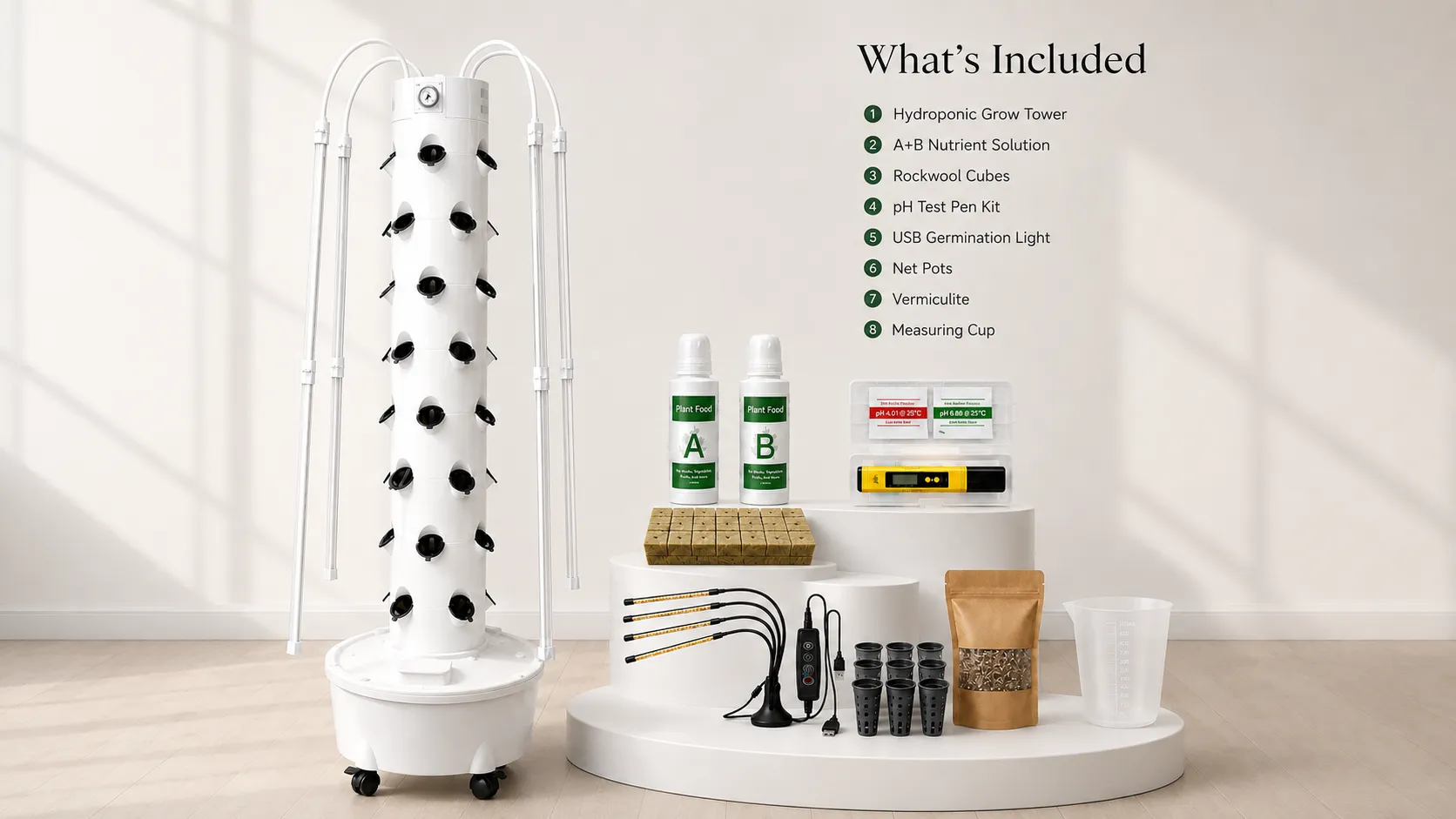
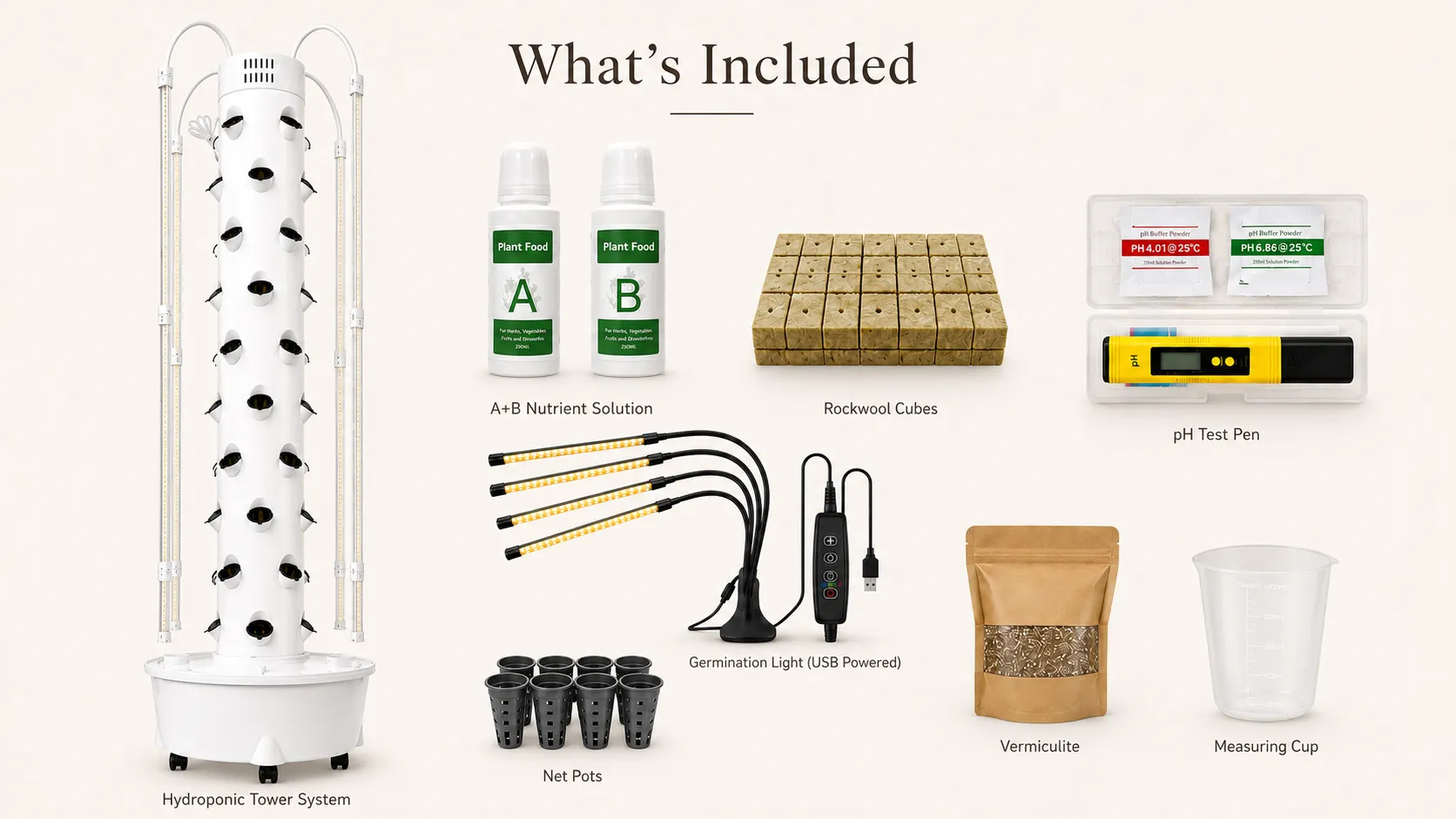
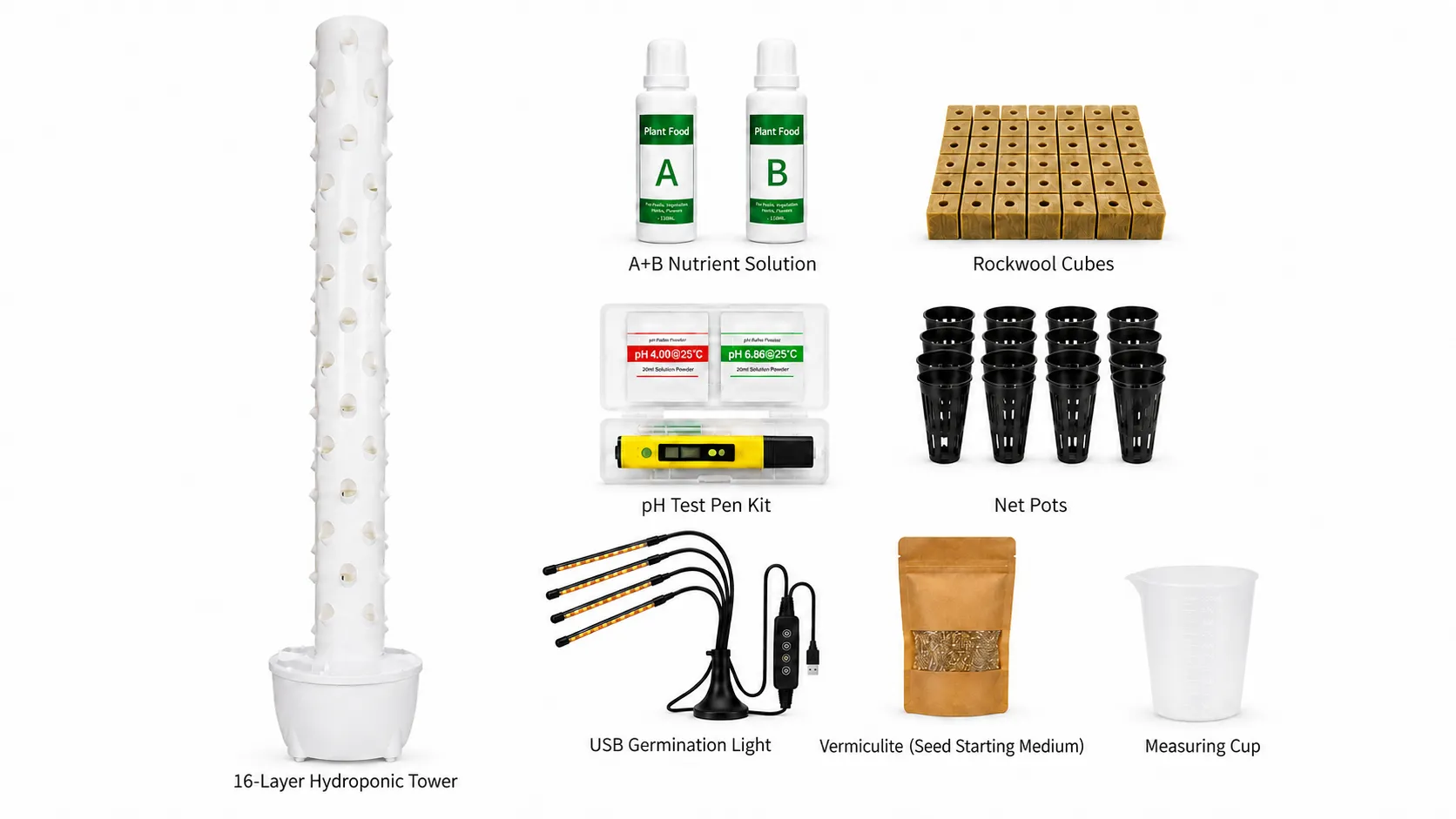
A hydroponic setup represents a higher initial investment because it requires technical hardware: a reservoir, a circulation pump, a vertical growing structure, net pots, specialized hydroponic nutrients, testing tools, and potentially indoor LED grow lights. However, its immense long-term value comes from extreme convenience, massive space efficiency, and year-round production potential.
6. Can You Grow Year-Round?
The growing season depends heavily on the environment. An outdoor soil garden is strictly limited by deadly frost, brutal summer heat, heavy rain, and seasonal day-length changes.
Conversely, hydroponic systems can be operated entirely indoors where light and temperature are perfectly controlled. This makes year-round growing 100% possible, completely bypassing cold winters or impossibly short outdoor growing seasons. (Note: Indoor year-round hydroponics will require artificial LED lighting, adding to electricity operating costs).
7. What About Pests?
Hydroponic plants are not magically “pest-proof.” Airborne insects like aphids, spider mites, whiteflies, and thrips can absolutely attack plants whether they grow in soil or water.
However, what hydroponics does successfully remove is the dirt itself. That means absolutely no soil weeds and significantly fewer frustrating problems associated with soil-borne pests and root pathogens.
8. Does Hydroponic Food Taste Different?
Flavor depends on far more than whether a plant grows in dirt or water. Essential flavor factors include the genetic crop variety, light intensity, balanced nutrition, temperature, and exact harvest timing.
A well-managed hydroponic lettuce will be incredibly crisp, sweet, and flavorful, while a poorly managed soil crop can be bitter and disappointing. Hydroponics does not automatically make vegetables taste worse—in fact, precise nutrient delivery often enhances peak flavor profiles.
9. Nutrient Control: Two Very Different Approaches
Soil acts as a highly complex biological buffer. Plants receive nutrients slowly from soil minerals, breaking down organic matter, and microbial activity. Hydroponics removes this buffer entirely.
Growers deliver precise liquid nutrients directly to the bare roots. This guarantees rapid absorption but demands that the grower responsibly monitors the pH and nutrient concentration (EC) to avoid burning the plants.
10. Which Is Better for Beginners?
Both methods are highly accessible to beginners, but they suit completely different lifestyles.
Table 3: Which Method Fits Your Profile?
| Choose Traditional Soil When You: | Choose Hydroponics When You: |
| Already have large outdoor garden land | Have severely limited physical space |
| Want the absolute lowest starting cost | Want to grow indoors, on a balcony, or on a patio |
| Deeply enjoy traditional digging and outdoor work | Prefer a clean, weed-free, soil-less experience |
| Want to grow massive, sprawling root crops (like potatoes) | Love automated water circulation and high tech |
| Do not mind being limited to seasonal weather | Want fresh leafy greens year-round, right near the kitchen |
Hydroponics vs Soil: Which Is More Sustainable?
There is no universal winner. Hydroponics excels at reducing massive water waste, land requirements, fertilizer runoff, and the need for toxic herbicides.
However, indoor hydroponics consumes electricity for LED lights and pumps. Outdoor soil gardening uses virtually zero electricity, but demands significantly more land and heavily depletes local water tables. The most sustainable choice depends entirely on your specific setup.
What About Hydroponic Towers?
Hydroponic towers ingeniously combine two massive advantages: hydroponic growing and vertical space utilization. Instead of arranging plants in long horizontal rows, multiple planting levels are stacked vertically.
This makes systems like the Yunzy V8 (40-site), Yunzy V12 (60-site), or the massive Yunzy V16 (80-site outdoor system) particularly exceptional for patios, backyards, greenhouses, urban gardens, and schools. The true benefit is not simply “more holes”—it is the exponentially more productive use of the tiny footprint you already have.
Hydroponics vs Soil Gardening: Final Comparison
Neither method replaces the other. Traditional soil gardening remains an excellent, therapeutic choice for growers who possess the land and enjoy traditional outdoor labor.
Hydroponics offers a distinct modern advantage: unprecedented control and the empowering ability to grow massive amounts of fresh food in urban places where traditional garden space simply does not exist.
For many modern households, the decision is less about “Is hydroponics better?” and more about “Which method fits the way I live today?” If you have a patio, a balcony, or an indoor space and desperately want to grow fresh leafy greens vertically, a hydroponic tower provides unmatched flexibility.
Frequently Asked Questions (FAQ)
Is hydroponics better than soil gardening?
Neither is universally better. Hydroponics offers greater environmental control, extreme vertical-space efficiency, and impressive water recycling. Soil gardening boasts a lower starting cost and works naturally in large outdoor spaces.
Does hydroponics use less water than soil?
Yes. Closed recirculating hydroponic systems can use substantially less water because the unused nutrient solution is actively captured and continuously reused, eliminating deep soil runoff and excess evaporation.
Is hydroponics expensive?
It requires a higher initial setup cost than basic soil gardening because you are investing in hardware technology (pumps, reservoirs, testing tools, and vertical structures).
Is hydroponics easier than soil gardening?
It involves different work. It entirely eliminates pulling weeds and hauling heavy dirt, but requires you to cleanly manage water levels, nutrient concentrations, and basic equipment maintenance.
Can hydroponics work in a small apartment?
Absolutely. Compact vertical hydroponic towers are explicitly designed for apartments and balconies, provided you have access to electricity, ventilation, and adequate light (natural or LED).

0 Comments